
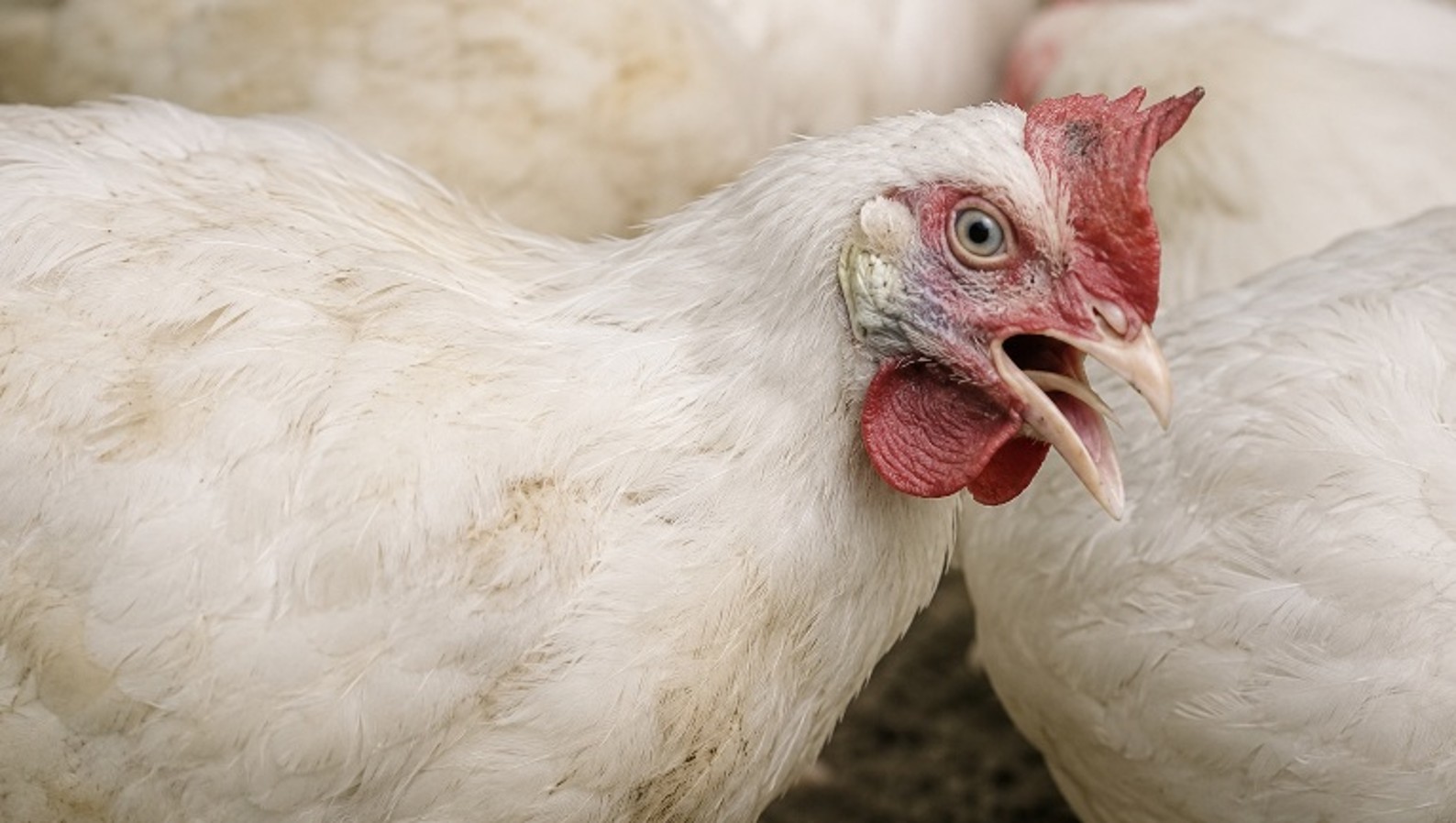
There are multiple strains of the Infectious Bronchitis Virus (IBV) in poultry which can cause Infectious Bronchitis, a highly contagious respiratory disease in chickens. Some IBV strains are widespread, others endemic to certain regions.
Transmission
IBV is transmitted through inhalation and direct contact with infected birds. Droplets expelled via coughing or sneezing may contain the virus, as well as shed in feces or on eggs. Indirect contact can occur through exposure to contaminated environments. Chickens naturally infected or who have received a live vaccine can shed the virus intermittently for up to 20 weeks after infection. Vertical transmission does not occur.
Symptoms
Symptoms of IBV can consist of the following:
- Coughing
- Sneezing
- Tracheal Rales (gurgling due to excessive mucus in trachea)
- Conjunctivitis
- Dyspnea
- Decreased Appetite
- Appearing listless
- Decreased egg production with misshapen eggs.
- Airsacculitis
Laboratory diagnosis is necessary for the respiratory form of IBV due to similarities with other diseases before a treatment approach is designated.
Conclusion
IBV can spread rapidly within susceptible flocks, and morbidity can approach 100% for affected flocks. Supportive management practices, such as adjusting ambient temperature, decreasing protein content in diet, and adding electrolytes to water can aid with certain strains. As stated earlier, there are multiple strains of IBV, which a traditional vaccination protocol may not cover. There are options to isolate the strain and produce an autogenous vaccine to implement into your health protocol to protect your flock.